

Introduction: Understanding connected devices
Digitalisation is transforming the medical device landscape. Increasingly, medical devices are no longer standalone physical products but operate as part of interconnected digital systems. These connected technologies collect, transmit, and process data through networked environments, often relying on software, mobile applications, and cloud infrastructure to achieve their intended medical purpose.
Examples of connected medical devices include remote patient monitoring wearables, connected infusion pumps, implantable devices with wireless communication capabilities, and software-driven diagnostic platforms.
In practice, a connected medical device can be understood as a device whose clinical performance depends on digital communication and data exchange.
This shift fundamentally changes how such devices must be evaluated. Unlike traditional medical devices, their safety and performance depend not only on physical functionality but also on digital system behaviour, including data transmission, software reliability, and network availability.
As a result, connected medical devices introduce new types of risks and performance considerations that must be addressed throughout their lifecycle.

How are connected devices addressed in the EU MDR?
A key characteristic distinguishing connected devices from traditional medical devices is that they operate within a broader digital ecosystem. Their safety and performance depend not only on physical components but also on system-level factors such as network availability, software functionality, data transmission reliability, and interactions with external systems.
This reliance on digital infrastructure introduces additional risks that are typically not present in standalone devices, including connectivity failures, data integrity problems, and cybersecurity vulnerabilities. These factors can directly influence clinical performance and therefore must be considered when evaluating the device.
Although the EU Medical Device Regulation (EU MDR 2017/745) does not explicitly define the term “connected medical device,” these characteristics are reflected in several regulatory provisions.
In particular, Annex I requires manufacturers to identify and control risks arising from connections with other equipment or IT systems, including risks related to interoperability, software behaviour, data integrity, and cybersecurity.
Why clinical studies for connected devices are different
Clinical investigations are a fundamental component of the EU MDR framework. They are intended to generate clinical data demonstrating that a device achieves its intended performance and is safe under normal conditions of use, as required by Articles 62–80 and Annex XV of the Regulation.
1. Device performance vs system performance
For traditional medical devices, clinical studies primarily focus on evaluating effectiveness, clinical benefit and safety in a relatively controlled environment. In contrast, clinical investigations for connected medical devices must address a broader range of factors because the device’s performance depends not only on its physical components but also on the digital ecosystem in which it operates. As a result, clinical performance depends not only on the device itself but also on the reliability and functionality of the entire system.
Under the MDR, manufacturers must demonstrate that devices remain safe and perform as intended under normal conditions of use. For connected devices, these conditions include real-world digital environments, such as variable network connectivity, software interactions, and data exchange with external systems.
Consequently, clinical investigations must consider system-level performance aspects, including data transmission reliability, system availability, and interoperability with other technologies.
2. Data Integrity
Traditional devices often rely on direct physical interaction with the patient, and their clinical performance can be assessed primarily through physiological outcomes. In contrast, connected devices frequently depend on digital data flows for monitoring, decision support, or therapy management.
Errors in data transmission, processing, or storage can therefore directly affect clinical outcomes. In this context, data integrity becomes a critical safety factor rather than merely a technical consideration.
Regulatory guidance increasingly recognizes that failures in data integrity can lead to incorrect clinical decisions or delayed interventions. As a result, clinical investigations for connected devices must evaluate whether data remains accurate, complete, and reliable throughout its lifecycle.
3. New Risks
Connected devices introduce new categories of risks that must be addressed within clinical investigations.
These include risks related to connectivity disruptions, software malfunctions, interoperability failures, and cybersecurity incidents. Unlike traditional device risks, which are often mechanical or biological in nature, these risks arise from the digital ecosystem supporting the device.
Because such risks can affect both safety and clinical performance, clinical investigation protocols must incorporate appropriate monitoring and mitigation strategies.
Designing clinical studies for connected devices

The characteristics described above have important practical implications for how clinical investigations for connected medical devices must be planned and conducted. While traditional device studies primarily focus on evaluating clinical outcomes under controlled conditions, studies for connected devices require additional attention to the structure and operation of the investigational system itself.
1. Define system under investigation
A key first step is clearly defining what constitutes the device system under investigation. Connected medical devices often include multiple interacting components, such as hardware elements, software applications, and external platforms.
From a clinical investigation perspective, it is essential to specify which components are considered part of the medical device and therefore fall within the scope of evaluation. This ensures clarity regarding responsibilities, risk assessment, and the interpretation of study results.
2. Appropriate endpoints
Clinical investigations for connected devices typically require a broader set of endpoints than traditional studies.
In addition to clinical outcome endpoints, studies may include operational indicators that demonstrate the device performs as intended in practice. Connected devices may be used across different healthcare settings and technical infrastructures. Clinical investigations should therefore anticipate variability in site conditions and ensure that study procedures account for these differences.
3. Managing Changes During the Investigation
Unlike traditional devices, connected medical devices may require software updates or technical adjustments during a clinical investigation.
Sponsors must therefore establish predefined processes for evaluating and managing such changes to ensure they do not compromise participant safety or the validity of study data.
Conclusion
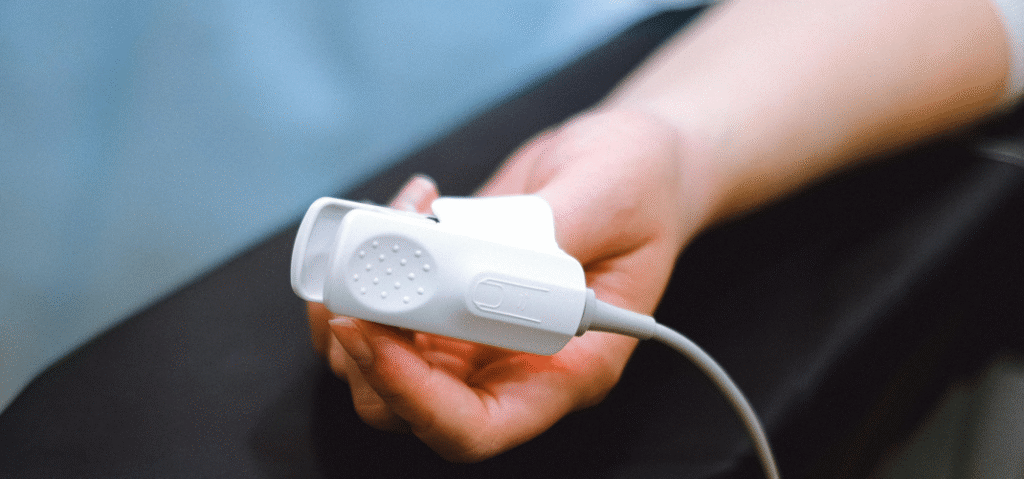
Connected medical devices represent a shift in how medical technologies function and, consequently, how they must be evaluated clinically. Unlike traditional standalone devices, their safety and performance depend on complex digital ecosystems that include software, network infrastructure, and interactions with external systems.
As a result, clinical investigations for connected medical devices must adopt a broader, system-oriented perspective. Study designs need to account not only for clinical outcomes, but also for the operational context in which the device is intended to function. This includes clearly defining system boundaries, selecting appropriate performance indicators, managing data quality, integrating risk monitoring, and planning for potential changes during the investigation lifecycle.
Ultimately, generating robust clinical evidence for connected medical devices requires careful alignment between regulatory expectations, technical system understanding, and practical study design. Sponsors who successfully address these dimensions will be better positioned to demonstrate compliance, support market access, and ensure patient safety in an increasingly digital healthcare environment.
How Franklyn Health can support
Clinical investigations for connected medical devices require specialized expertise that combines regulatory knowledge, clinical operations experience, and an understanding of digital health technologies.
Franklyn Health supports medical device and digital health companies in designing and conducting MDR-compliant clinical investigations, helping sponsors navigate the unique challenges of connected device studies and generate robust clinical evidence.
Contact us to get in touch with our team and discuss your clinical strategy.
